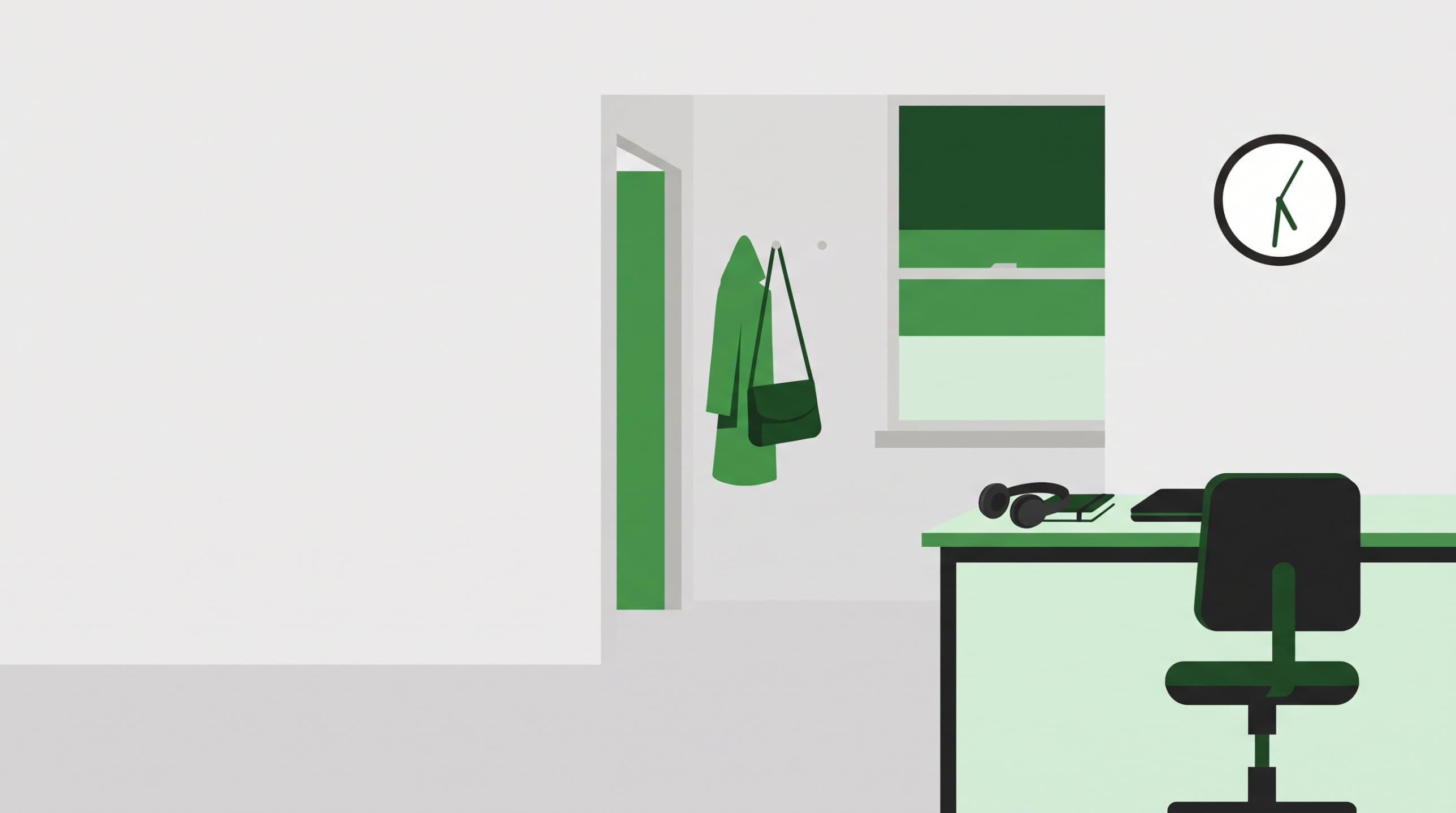
In the creative teams I've worked in, the refinements and testing were often what got squeezed at the end. People worked evenings and weekends to get things finished. We might get a pizza or a couple of beers, but a lot of those hours were absorbed into people's stress rather than their pockets.
I've cancelled gigs, evenings out and even holidays because work needed to be finished, or other things had slipped. I used to host a live radio show on Mondays at 8pm, and one evening, as I was walking out of the office ahead of the broadcast, I was asked where I was going. I said I had other plans. The response was: 'What's more important: your job that pays you or your personal life?'
When I talk to teams about using AI to get time back, these are the experiences I'm thinking about. I'd like people to finish the week with enough time and energy left for their own lives. Having time to experiment, and going into the weekend enthused rather than stressed, are part of that.
The thinking needs to come from people in the first place. Before asking AI to do anything, someone needs an idea and a reason for making it. They need to know what they want to say, who it's for and what would make it worthwhile. AI can help develop that thinking or take some of the repetitive work out of producing it. The speed of generating something is only part of what happens next.
In an observational study of software firms, Chen and Stratton found more coding activity after AI-agent adoption, without a statistically significant increase in the completed tasks and larger pieces of work they tracked. The authors identified a review bottleneck. That is software research, so it doesn't establish what happens in a creative team. It does make the case for following work through to completion.
Look at the time the work actually takes
Start with a piece of work your team does regularly. It might be a client report or a set of campaign assets. Agree what finished means, including the standard it has to meet and who needs to accept it. If you're measuring up to internal sign-off, that's one point in the process. Getting it approved by the client or live may take longer.
Then follow a few comparable jobs through the usual process and a few with AI involved. Ask the people working on them how much time they actually spent. Include the thinking and preparation, as well as reviewing and correcting the result. Count the quick look from a colleague and the changes made after everyone else has gone home.
An estimate in a project plan won't tell you all of this. Neither will relying only on timesheets or billed hours. Someone might finish a piece of work sooner and use the remaining time elsewhere. They might also spend an evening fixing it without that time appearing anywhere. We need to make room for an honest account of what happened, without treating every difference from an estimate as a problem.
A simple shared note should be enough to help a small team make a decision. There's little point adding another reporting job to find out whether you've made the existing one easier.
Keep the standard of the work the same in both versions. A piece that still needs its facts correcting or its final files fixing has more work left in it. And allow for the checking you already do. Reviewing an AI-assisted piece may replace an existing review, or it may require something extra. You need the comparison to know which.
There is also a difference between the time people spend working on something and how long it takes to reach the end. A team might spend fewer hours on a job and still wait days for approval. AI could shorten that wait, or add to it.
A client could, for example, use AI to check the work you've sent them and come back with more questions. That might uncover something worth fixing. It might also create another round of discussion that takes time to resolve. Either way, it belongs in the picture if you're trying to understand the time from starting the job to getting it accepted.
Pay attention to whose work has changed
A total for the whole job is useful, but it can hide what is happening to individual people. If a writer spends less time producing a piece and an editor spends more time checking it, both need to be part of the conversation. Someone's work may have reduced, expanded or changed shape. They may be doing less production while taking on more responsibility for the result.
That change could be worthwhile. It could give somebody more room to use their judgement, or help a less experienced colleague produce work they couldn't manage before. It could also leave a particular person with more to do than the schedule allows. Looking at the total alone won't tell you how it feels to work that way.
Then there's the extra time spent on client work that never gets charged. A company can benefit financially if AI reduces that overrun. People may also have been giving up unpaid evenings and weekends to get the work finished, and a better result for the business doesn't automatically tell us whether they've got any of their own time back.
If the team is spending less time and the work meets the agreed standard, there is a saving. You can choose to use that time for more work, or give the refinements and testing the attention they deserve within working hours. Some of it could simply go back to the people who saved it.
Earlier this year we worked with a small charity team. A few months on, they told us AI was saving them time on routine tasks, and that time was going into supporting their communities. That's where they've chosen to put the time they're saving.
The choice matters. If every saving becomes a promise of a shorter deadline, we can easily recreate the pressure I remember, with different tools involved. If some of that time stays with the people doing the work, there is a chance to improve their day as well as the output.
I want 'time saved' to mean that people can finish the job properly and keep the plans they made for that evening. For us, that's what putting people before technology means in practice.
If you'd like a clear way to look at how work really happens in your team before you decide where the time goes, that's what SIGNAL does.